Practical sourcing guide · Updated August 2026
How to evaluate a wig supplier in China.
For a detailed custom brief, “Can you make this?” is only the first question. The real work is deciding whether a supplier understands the construction, can explain the risks and will follow the sample accurately.
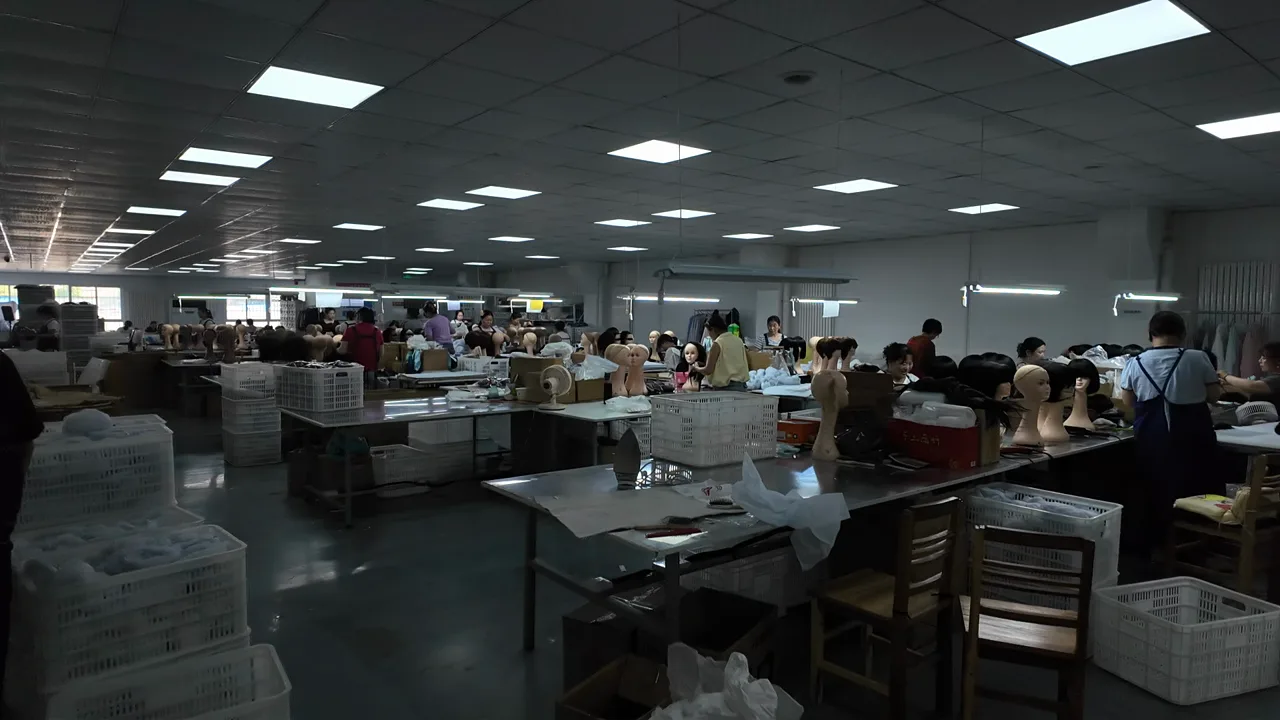
A reliable supplier is not simply the factory with the lowest price, the largest showroom or the fastest reply. Reliability depends on whether that supplier is a good fit for the specific product you need—and whether the details remain consistent from quotation to sample and production.
Start by turning the request into a real specification
Reference photos communicate appearance, but they do not show scalp sensitivity, attachment preferences, head measurements, comfort priorities or the conditions in which the wig will be worn. Before comparing factories, clarify the cap structure, base materials, hair type, texture, density, length, colour, finishing, quantity and sample expectations.
This matters especially for medical-wig briefs, alopecia-related requirements, textured hair, unusual cap sizes and small-batch development. If the specification is vague, two suppliers may quote very different products while using similar language.
Ask what the factory actually specialises in
Few factories are equally strong at every construction. One may be efficient at standard lace-front units but less experienced with fine mono, silk tops, PU zones, full hand-tied caps or low-density work. Another may understand European-hair finishing but not textured medical-hair requirements.
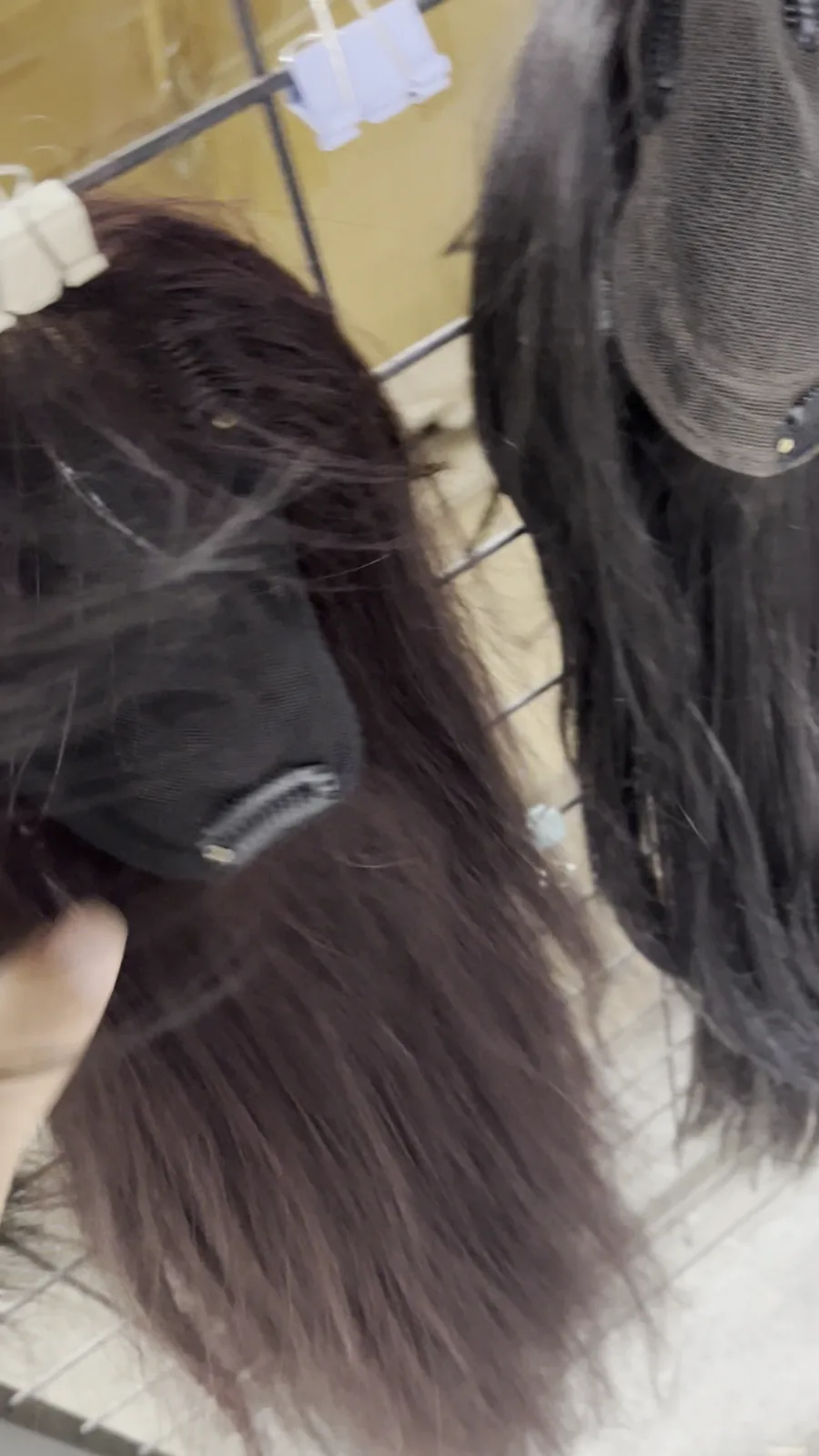
Ask for evidence relevant to your brief: inside-cap photos, close views of knotting and parting, comparable samples, production details and an explanation of which parts require development. General product photos are not enough.
Compare answers, not only prices
A useful quotation should identify what is included, what remains uncertain and what changes the price. Pay attention to whether the supplier asks sensible questions and distinguishes between options instead of agreeing to everything immediately.
- Can they explain the proposed cap construction?
- Do they understand the required density distribution and hair direction?
- Can they state what must be confirmed through a sample?
- Are timelines and minimum quantities realistic?
- Will they record agreed details in writing?
Use the sample to test communication as well as workmanship
A sample is not only a miniature order. It reveals whether the supplier can translate a brief, manage revisions and communicate when something is technically difficult. Check construction, measurements, density, hair direction, shedding, tangling, lace or base colour, edge finish, weight and accuracy against the agreed specification.
For a new or non-standard product, one sample may not resolve every question. Decide in advance what counts as an acceptable first sample and which details may need a second development round.
Understand the role of a sourcing assistant
A factory makes products. An independent sourcing assistant works between the buyer’s requirement and different factories: clarifying the brief, matching the construction to suitable suppliers, comparing answers and following the sample from the China side.
Duo is not a factory or medical institution. The value is practical coordination and honest follow-up when a requirement needs more than a standard catalogue response.
Have a difficult brief?
Start with the detail that cannot be standard.
A reference photo, sketch or current product is enough to begin clarifying the questions.
Share your requirement ↗